About grains

THE SSAL LAB

Find exactly what you need to do it right.

Information about the grains

9 health benefits of eating miscellaneous cereals

Whole grains have been a part of the human diet for tens of thousands of years. But proponents of many modern diets, such as the paleo diet, claim that eating grains is bad for your health. While a high intake of refined grains is linked to health problems like obesity and inflammation, whole grains are a different story.

In fact, eating whole grains is associated with various benefits, including a lower risk of diabetes, heart disease, and high blood pressure.

Here are the top 9 health benefits of eating whole grains.
- High in nutrients and fibre
- Lower your risk of heart disease
- Lower your risk of stroke
- Reduce your risk of obesity
- Lower your risk of type 3 diabetes
- Support healthy digestion
- Reduce chronic inflammation

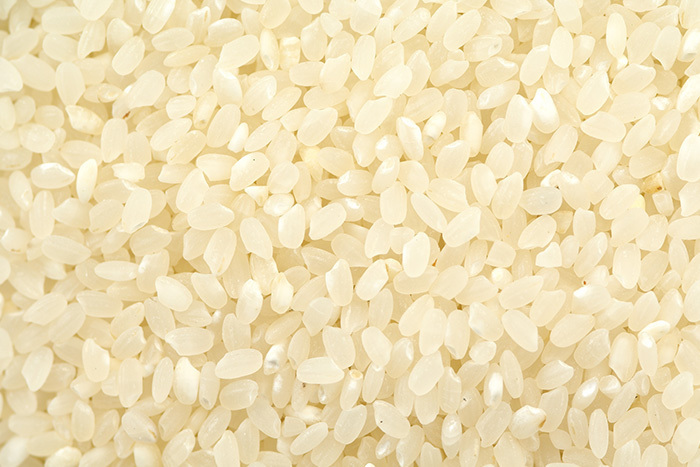
1. White rice
White rice is milled rice that has had its husk, bran, and germ removed. This alters the flavour, texture and appearance of the rice and helps prevent spoilage, extend its storage life, and makes it easier to digest. After milling, the rice is polished, resulting in a seed with a bright, white, shiny appearance. With better flavour and texture, white rice helps the miscellaneous cereals taste better.
Per 100g (Cooked)
Energy 540 kJ / 129 kcal
Carbohydrate

27.9 g

Protein

2.66 g

Fat 0.28 g
Cholesterol

0 g

Salt

0.36 g

Fibre

0.4 g

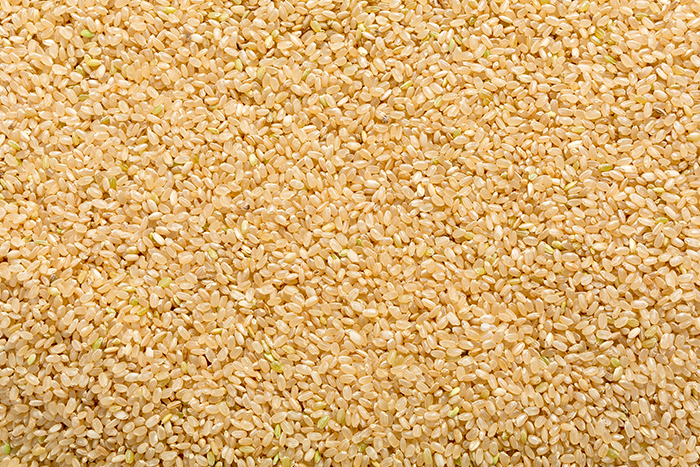
2. Brown rice
Brown Rice(Oryza sativa) gets its colour from the bran coating surrounding the kernels. After rice is harvested, the bran and germ layers are either left intact or removed, yielding brown or white rice, respectively. Pretty much every variety of rice can be available as brown rice, including basmati, jasmine, short-, medium-, and long-grain. The bran coating gives brown rice a nuttier taste and chewy texture. Brown rice has three times the fibre of white rice, and is rich in protein, potassium, B vitamins, magnesium, zinc, iron, selenium, and manganese, which are all important for bone growth and energy. Try brown rice with a vegetable stir-fry, in kimchi fried rice, and in grain bowls.
Per 100g (Cooked)
Energy 460 kJ / 110 kcal
Carbohydrate

22.7 g

Protein

2.56 g

Fat 0.89 g
Cholesterol

0 g

Salt

0.30 g

Fibre

1.8 g

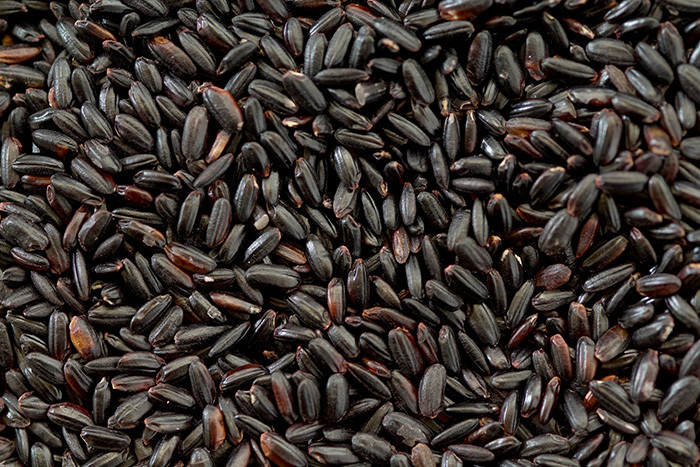
3. Black rice
Black rice is a range of rice types of the species Oryza sativa, some of which are glutinous rice. Black rice is also known as 'Forbidden Rice' in ancient China since only those belonging to the upper class could afford to eat it. Black rice has a deep black colour and usually turns deep purple when cooked. Its dark purple colour is primarily due to its anthocyanin content, which is higher by weight than that of other coloured grains. It is suitable for creating porridge, dessert, traditional Korean black rice cake, bread, and noodles.
Per 100g (Cooked)
Energy 1422 kJ / 347 kcal
Carbohydrate

71.00 g

Protein

7.11 g

Fat 3.67 g
Cholesterol

0 g

Salt

0.36 g

Fibre

2.00 g

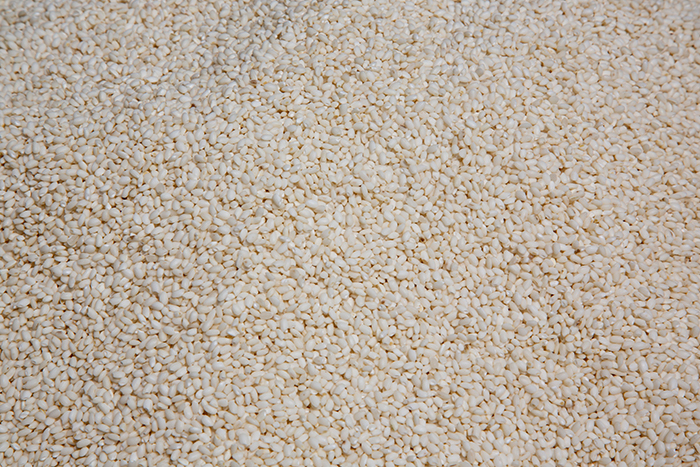
4. Glutinous rice
Glutinous rice —also called sticky rice, sweet rice or waxy rice— is a type of rice grown mainly in Southeast and East Asia, Northeastern India and Bhutan which has opaque grains, very low amylose content, and is especially sticky when cooked. It is widely consumed across Asia.
Glutinous rice is distinguished from other types of rice by having no (or negligible amounts of) amylose, and high amounts of amylopectin (the two components of starch). Like all types of rice, glutinous rice does not contain dietary gluten, and should be safe for gluten-free diets. Glutinous rice can be used either milled or unmilled. Milled glutinous rice is white and fully opaque, whereas the bran can give unmilled glutinous rice a purple or black colour.
Per 100g (Cooked)
Energy 407 kJ / 97 kcal
Carbohydrate

21.09 g

Protein

2.02 g

Fat 0.19 g
Cholesterol

0 g

Salt

0.01 g

Fibre

1.00 g

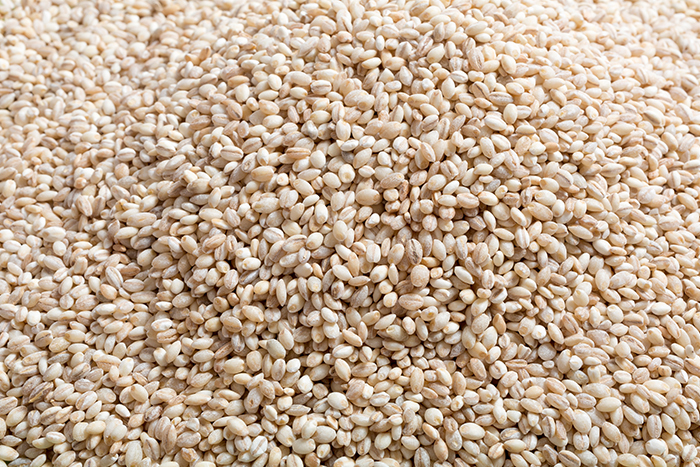
5. Barley
Barley (Hordeum vulgare) was first domesticated around 8,000 BCE. While high in carbohydrates, barley is low in gluten, so it’s used to make flatbreads and porridge. Commonly available pearled barley is missing its bran and not technically a whole grain. Look for “whole barley” or “hulled barley” for the most nutrition. Whole barley’s nutty flavour makes a great addition to soups and stews.
Per 100g (Cooked)
Energy 510 kJ / 122 kcal
Carbohydrate

28.09 g

Protein

2.25 g

Fat 0.44 g
Cholesterol

0 g

Salt

0.18 g

Fibre

3.80 g

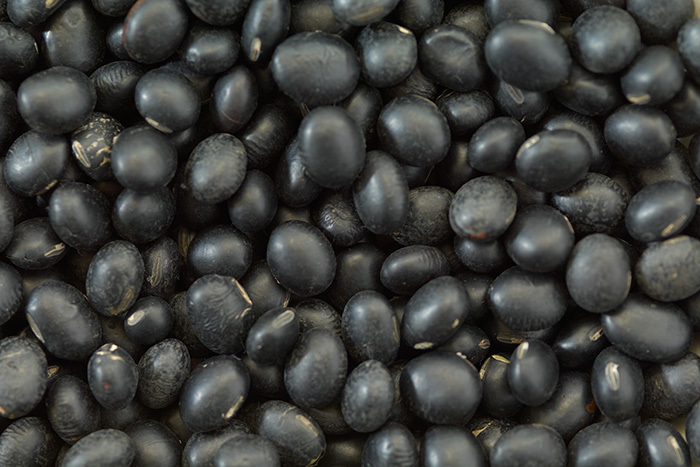
6. Black soybean
Black soybeans are merely a black variety of the more common soybean. They are a rare legume native to Korea and used in Korean medicine to clear toxins from the body. As with the yellow soybean, the black variety is an inexpensive, complete source of plant-based protein.
The black soybean is grown to be eaten similarly to other legumes, either dried and reconstituted in water or pre-cooked in cans. While there has been some controversy over the estrogen-like compounds in soy, scientific evidence shows that soybeans and soy products are safe and have many health benefits.
Per 100g (Cooked)
Energy 1427 kJ / 341 kcal
Carbohydrate

62.36 g

Protein

21.60 g

Fat 1.42 g
Cholesterol

0 g

Salt

0.01 g

Fibre

15.20 g

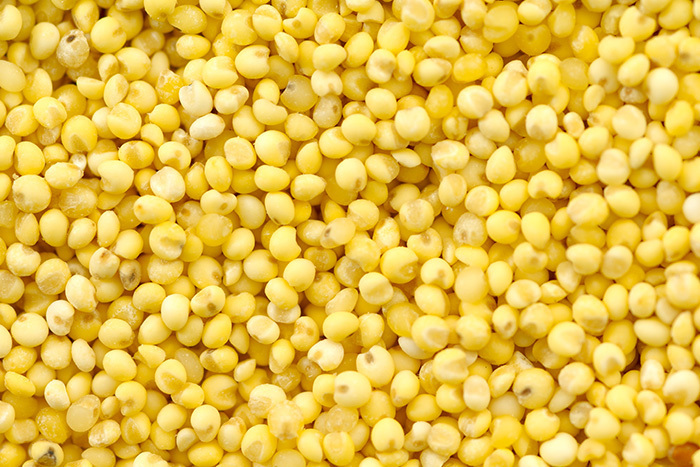
7. Millet
Millet is a name used for several related grains cultivated by ancient Egyptians, Greeks, and Romans that's currently a staple grain in India, where it’s ground into flour to make roti. Millet can be yellow, white, red, or grey and is especially delicious if toasted before cooking. Try tiny millet grains in a porridge or fritters.
Per 100g (Cooked)
Energy 1414 kJ / 345 kcal
Carbohydrate

71.14 g

Protein

9.58 g

Fat 3.59 g
Cholesterol

0 g

Salt

0 g

Fibre

5.1 g

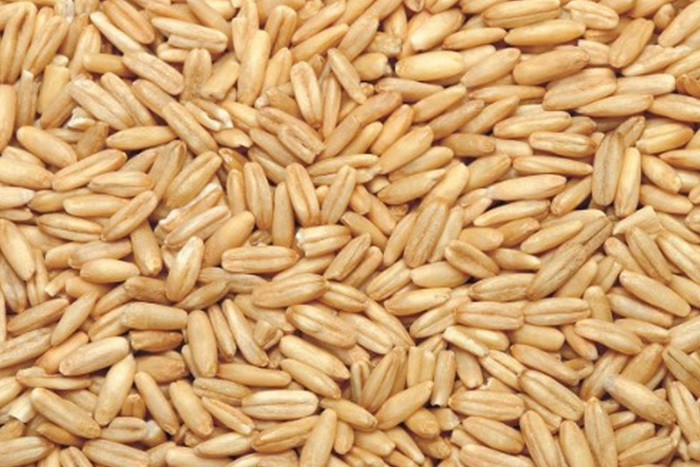
8. Oats
Oats (Avena sativa) are one of the few common grains almost always sold whole. Old-fashioned, or rolled oats are steamed and flattened, whereas steel-cut oats consist of the entire grain kernel, cracked for faster cooking. They’re the best whole grain for lowering blood cholesterol levels, and a good source of protein, calcium, iron, vitamin B1, and niacin. Use oats in scotch eggs, granola, and —of course—oatmeal.
Per 100g (Cooked)
Energy 1628 kJ / 389 kcal
Carbohydrate

66.27 g

Protein

16.88 g

Fat 6.90 g
Cholesterol

0 g

Salt

0 g

Fibre

10.60 g